
New RAAB study in Bolivia to develop concrete, feasible and measurable eye health plans
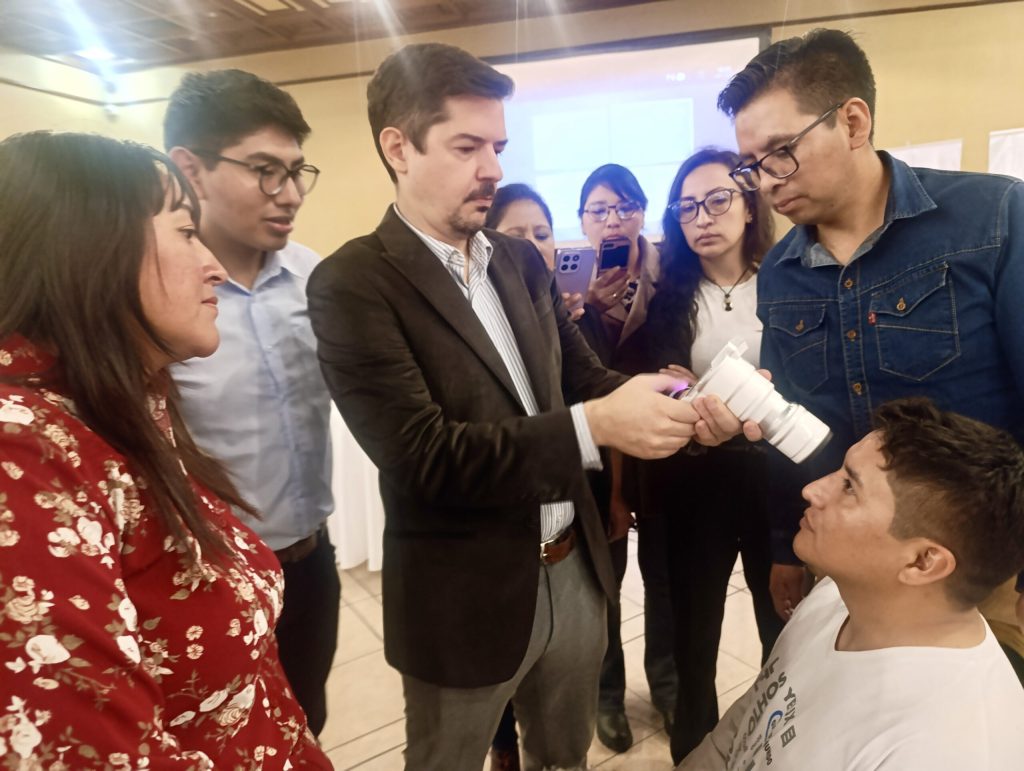
Blindness and visual impairment remain a major public health problem, particularly among older people and vulnerable populations. Bolivia, moreover, faces additional challenges due to its geographical diversity and inequalities in access to eye care services. Therefore, having up-to-date and reliable information is essential for planning public policies, prioritising regions and improving service coverage.
With this aim in mind, the RAAB (Rapid Assessment of Avoidable Blindness) study was carried out in the country in 2025. This is a standardised methodology recognised by the World Health Organisation that enables the estimation of the prevalence and causes of blindness and visual impairment in people over the age of 50, as well as the identification of barriers to accessing eye care services. The fieldwork was carried out between April and August and covered five departments: La Paz, Cochabamba, Santa Cruz, Oruro and Tarija.
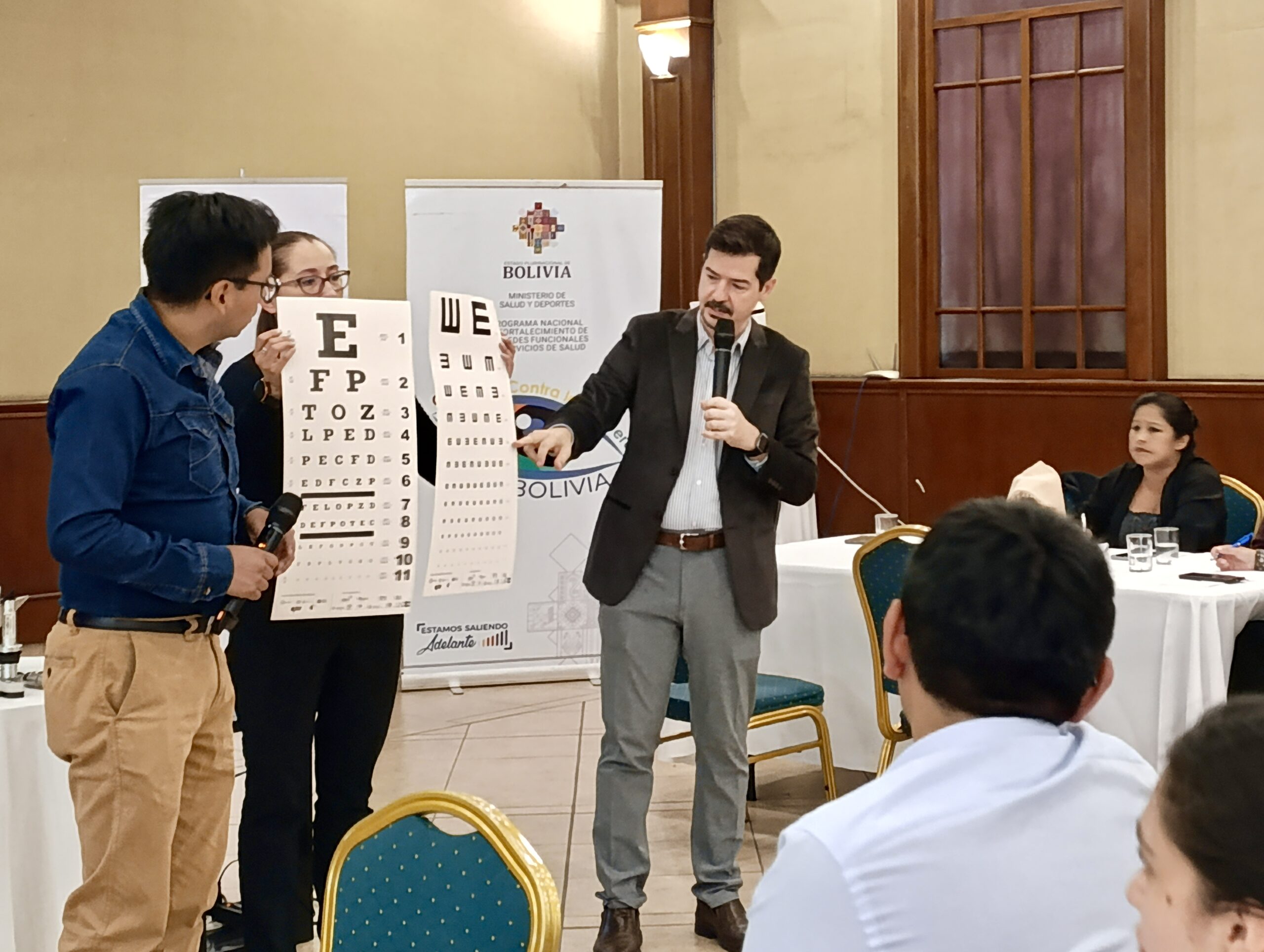
The study was led by the Ministry of Health and Sport, through its Eye Health Department, with technical support from the National Institute of Ophthalmology, the Bolivian Society of Ophthalmology, the Institute for Health and Development Research at the Universidad Mayor de San Andrés, and various organisations in the sector. The Ojos del Mundo Foundation participated as a strategic partner, contributing to the funding and coordination between public institutions, professionals and international aid organisations.
The principal investigator of the study was Dr João Marcello Furtado, a renowned Brazilian ophthalmologist with an outstanding clinical, academic and research track record, who called for “using the RAAB evidence as a basis, but building on it to create a feasible plan, with clear goals, a timetable and shared responsibilities”. Since the data obtained, on its own, does not change reality and needs to be translated into concrete decisions: “strengthening referral networks, expanding access to cataract surgery, improving coverage of refractive correction, identifying barriers for rural or vulnerable populations and, above all, integrating eye health into the health system, not as an isolated component”.